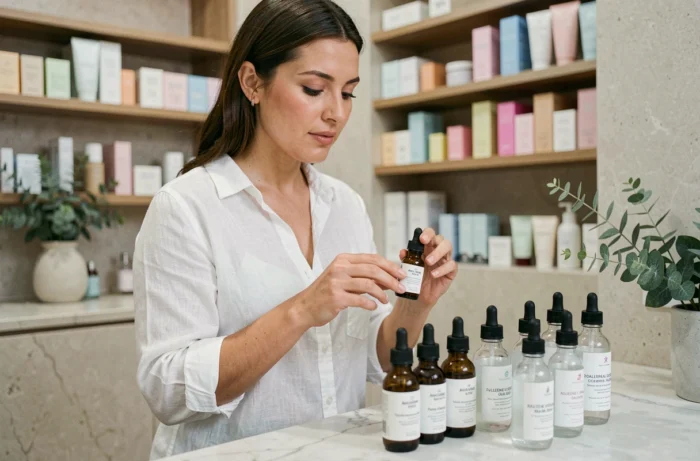
The European regulatory framework is profoundly restructuring cosmetic formulations for 2026, and this movement leads to technical repositioning that traditional trend assessments underestimate. Between new constraints on allergens, the ban on PFAS in France, and the rise of predictive AI in skin diagnosis, laboratories and brands must make quick decisions.
European Cosmetic Regulation 2026: Constraints Changing Formulas
Regulation (EU) 2026/78, which came into effect on May 1, 2026, modifies several annexes of Regulation (EC) No. 1223/2009 and strengthens the control of CMR substances. This text requires formulators to review their databases of authorized ingredients, with a direct impact on sun care ranges, fragrances, and anti-aging treatments.
The UV filter 4-MBC (4-methylbenzylidene camphor) is banned from the EU market as of May 1, 2026. Brands that relied on this filter in their sunscreens or moisturizing products with SPF must reformulate with mineral alternatives or new generation organic filters. This is not a minor adjustment: 4-MBC was present in many consumer references.
In the fragrance sector, starting July 31, 2026, any new product launched must separately list 57 additional fragrance allergens, bringing the total to 82. The transition period runs until July 31, 2028, for products already on the market. For perfumers, this means rethinking olfactory compositions or accepting significantly lengthened INCI lists, which also alters packaging.
In France, the total ban on PFAS in cosmetics has been effective since January 1, 2026 (manufacturing, import, export, and sale). We observe that this measure primarily affects long-wear foundations, primers, and certain lip products that exploited the film-forming properties of these substances. To keep up with the latest news on Cosmétiques Beauté, it is now necessary to read each INCI sheet with a more technical eye than two years ago.
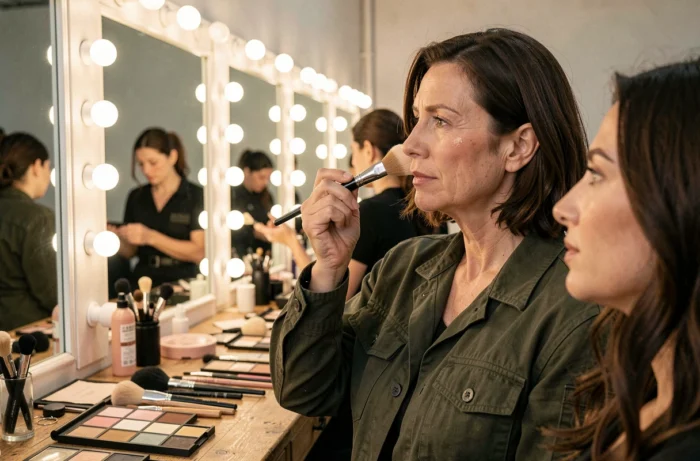
Predictive AI and Skin Diagnosis: Beyond a Marketing Gadget
Skincare personalization platforms based on artificial intelligence are no longer just prototypes from trade shows. In 2026, they structure the offerings of brands that provide serums, creams, and routines tailored to each client’s individual data.
The principle relies on a facial diagnosis that measures hydration, elasticity, pore density, and wrinkle depth in just a few seconds. The AI cross-references this data with the client’s skin history to propose an evolving routine, adjusted for each season or environmental change. This is no longer segmentation by skin type; it is longitudinal tracking.
The challenge for brands lies in data collection and processing. Regulations on personal data protection (GDPR in Europe) strictly govern the use of this biometric information. Laboratories investing in this direction must integrate privacy by design from the conception of their diagnostic tools.
What This Changes in Store
The customer experience at retail locations is evolving. Connected skin analyzers are gradually replacing standardized advice. The salesperson becomes an interpreter of the AI results, capable of contextualizing recommendations with their product expertise. This shift alters the expected skills in beauty retail.
Biotechnological Ingredients and Fermentation-Derived Actives
The trend towards biotechnological actives goes beyond marketing claims to become a structuring R&D development axis. Biomimetic peptides, plant-derived exosomes, and actives produced by precision fermentation are increasingly prominent in premium launches.
- Biomimetic peptides replicate amino acid sequences naturally present in the skin to target specific mechanisms (collagen synthesis, melanin regulation, strengthening the skin barrier).
- Precision fermentation-derived actives allow for the production of molecules identical to those found in nature, but with superior purity and reproducibility, while reducing pressure on plant raw materials.
- Exosomes, extracellular vesicles used as active ingredient carriers, are beginning to appear in high-end anti-aging treatments, with claims of cellular regeneration that regulatory authorities are closely monitoring.
We recommend careful reading of the efficacy files associated with these actives. The boundary between cosmetics and medical devices is tightening, and overly ambitious claims expose brands to regulatory recalls.
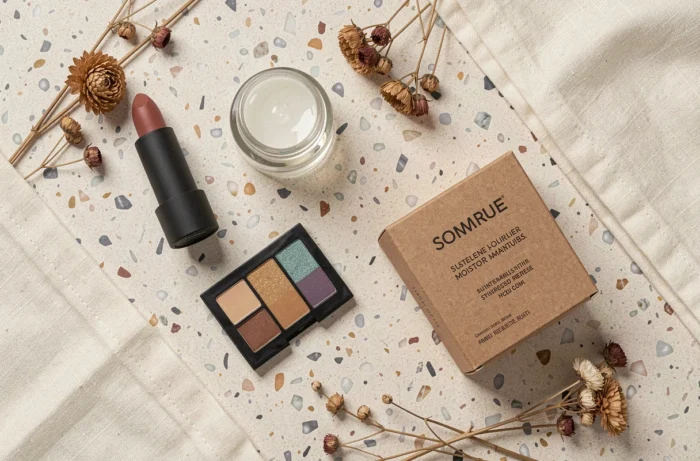
Generation Alpha and the Cosmetic Market: A Segment Redefining Product Development
Consumers from Generation Alpha are entering the beauty market earlier than previous generations. This phenomenon pushes brands to rethink their skincare ranges to offer products suitable for young skin, with minimalist formulations and attractive sensory textures.
This segment prioritizes skin well-being over correction. Routines are short, fragrances are light, and packaging is playful yet functional. Brands that perform well in this niche avoid aggressive actives and focus on hydration, sun protection, and education on basic skincare practices.
Sustainability remains a purchasing criterion for this generation, but from a pragmatic angle: refillable packaging, biodegradable formulas, and transparency in the supply chain. The environmental discourse must be factual, not aspirational.
Packaging and Eco-Design
Packaging innovation accompanies these developments. Solid refills, containers made from post-consumer recycled materials, and in-store deposit systems are gaining ground. Brands that master their supply chain of recycled raw materials have a real competitive advantage in a market where packaging becomes as much a differentiating argument as the formula.
The cosmetic market of 2026 is structured around strict regulatory constraints and technological innovations that change formulation, distribution, and customer relationships. Laboratories capable of articulating regulatory compliance, AI personalization, and transparency about actives are those that will gain long-term trust.