
PC Expert is a French computer magazine founded in March 1992, published monthly until July 2010. For nearly two decades, this monthly publication accompanied the democratization of PCs in France, offering hardware tests, technical reports, and buying guides at a time when microcomputing was evolving at a breakneck pace.
PC Expert and the Technical Role of Microcomputer Press
Before the rise of specialized websites and forums, print magazines were the primary source of information for anyone looking to assemble, configure, or troubleshoot a PC. PC Expert occupied a specific niche in this ecosystem: that of in-depth hardware testing and comparative benchmarking.
The magazine targeted an audience that did not settle for just reading a product sheet. The articles detailed testing protocols, measurement conditions, and configurations used. This methodological rigor set PC Expert apart from more mainstream publications.
Each issue came with a CD-ROM (later a DVD) containing software, game demos, and utilities. For many readers, this physical medium represented the only way to access programs at a time when downloading was limited by slow connections. Enthusiasts wishing to delve deeper into the history of this title can explore geeksandthecity.fr to learn more about its editorial legacy.
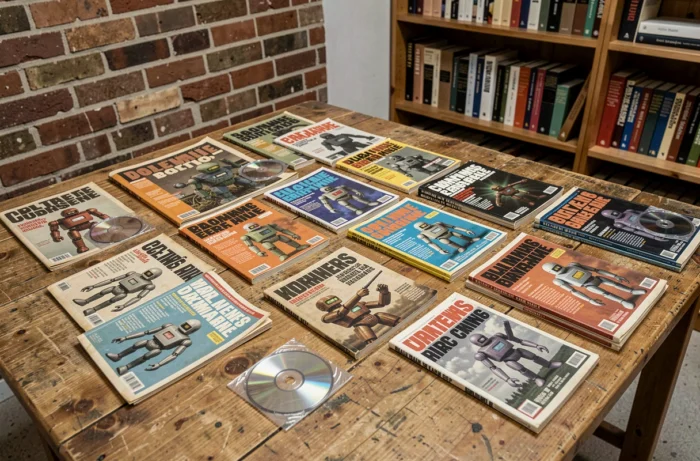
Editorial Content of PC Expert: Tests, Reports, and Buying Guides
The editorial line was based on three pillars that recurred issue after issue.
- Component and peripheral tests occupied the central part of the magazine, featuring test benches for graphics cards, processors, hard drives, and monitors, always accompanied by numerical measurements and decisive verdicts.
- Thematic reports covered topics such as network security, Windows optimization, or video editing on PC, popularizing technical concepts without oversimplifying them.
- Seasonal buying guides offered typical configurations by budget, allowing readers to build their machines piece by piece following well-reasoned recommendations.
This approach reflected a time when buying computer hardware without expert advice could be costly. Incompatibilities between components, performance differences between chipsets, the subtleties of overclocking: these were all subjects that PC Expert addressed with a precision that websites of the time did not yet offer.
Disappearance of PC Expert and Shift to the Web
PC Expert published its last issue in July 2010. This cessation is not an isolated incident. The majority of French microcomputer magazines disappeared between the mid-2000s and the mid-2010s, due to several converging factors.
The rise of specialized websites profoundly changed reader expectations. A test published online could appear on the same day as a product launch, while a print monthly was mechanically several weeks behind. Forums and blogs also allowed users to share their own experiences, creating a form of collective knowledge that directly competed with journalistic expertise.
The structural decline in single-issue sales made the economic model of these publications increasingly fragile. The price per issue reached a few euros, but advertisers, who financed a significant portion of production, gradually turned to online advertising.
The Merger with L’Ordinateur Individuel and SVM
The editorial history does not stop abruptly in 2010. That same year, L’Ordinateur Individuel merged with SVM and PC Expert to form L’Ordinateur individuel SVM. This consolidation reflects the contraction of the market: three historic titles no longer had enough readers to survive separately.
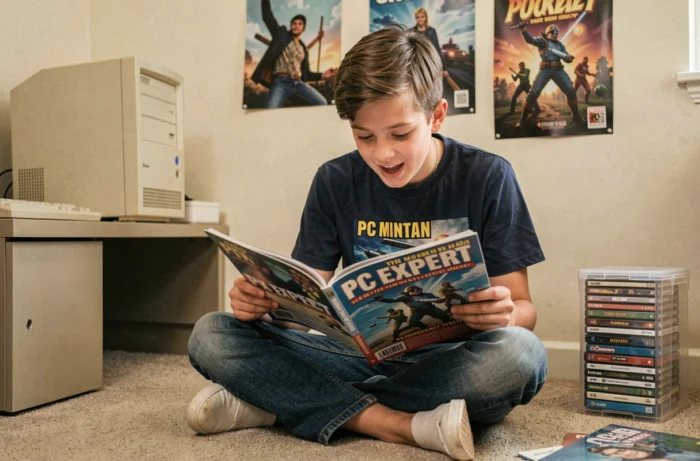
In 2013, this format evolved further to become 01net Magazine, completing the consolidation of French consumer computer press around a single title. The transition from print to web thus occurred gradually, rather than through a sudden break.
Legacy of PC Expert for French Computer Culture
What distinguishes PC Expert in collective memory is the stance it took towards its readership. The magazine assumed that its readers wanted to understand, not just receive a verdict. The articles explained the why of a recommendation, not just the what.
This approach helped train an entire generation of technicians, system administrators, and computer enthusiasts. Many industry professionals still cite magazines from this era as their first entry point into the world of hardware.
The digitized archives of French computer press, accessible on community websites dedicated to preserving old magazines, testify to the enduring interest in these publications. Issues of PC Expert are featured alongside titles like Micro Hebdo, SVM, or Hardware Magazine, forming a documentary corpus on two decades of technological evolution.
The very format of rigorous comparative testing, as practiced by PC Expert, has survived the disappearance of print media. Websites like Les Numériques or Clubic continue this tradition of methodical benchmarking, with standardized testing protocols and reproducible measurements. The editorial know-how of micro press has not disappeared; it has changed its medium.
The last known circulation of PC Expert, in 2008, still exceeded 40,000 copies. This figure reminds us that just a few years before its closure, the magazine maintained a loyal readership. The end of the title is less about a lack of public interest than about a profound shift in the channels of technical knowledge distribution.